Handmade Journeys from Peaks to Shores

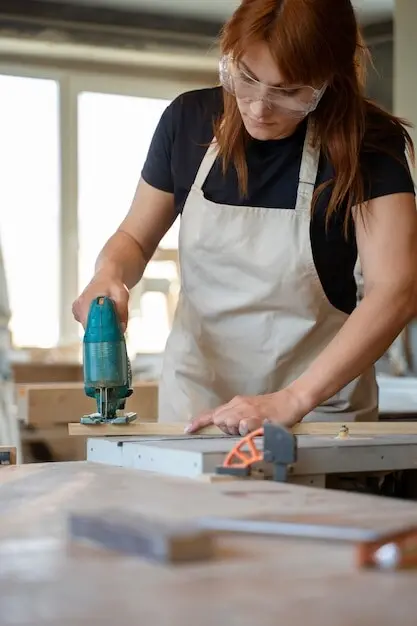
Today we explore Alps to Adriatic Slowcraft, tracing how makers carry patience from glacier-shadowed valleys to sunlit harbors. Expect stories of wood, wool, clay, and stone, lessons in slowness, and invitations to participate, travel gently, and support artisans who keep cultural threads alive.

Geography That Shapes the Hand

Landforms teach the hand what to do: thin alpine air seasons larch and pine, while valley fog protects stored flax; limestone shelves break into workable planes, and salty breezes temper drying clay. Between switchback roads and fishing piers, techniques migrate like birds, adapting to elevation, humidity, and light until each object remembers precisely where it wanted to be born.

01

High Pastures, Deep Forests

A herder’s path across meadow ridgelines brings wool touched by alpine herbs, while spruce and larch reveal tight grain shaped by snowload and slow summers. When a knife meets such patience, curls fall like frost, and practical forms emerge that warm huts, inns, and hikers alike.

02

Karst Ridges to Blue Harbors

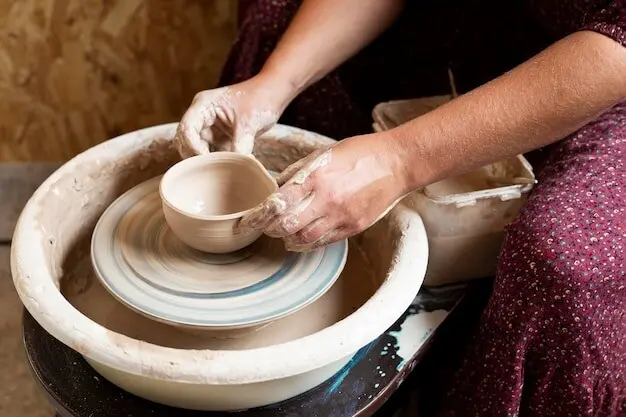
Wind-whittled limestone and sunbaked clay meet briny air where the bora rushes over the Karst. Potters learn to slow their drying racks and embrace micro-cracks, while stonemasons read fossil flecks like maps, shaping thresholds that welcome both storm-tossed fishers and late-returning trains.

03

Border Crossings, Shared Hands

Checkpoint stamps fade, but calloused palms remember shared border markets where tools, yarns, and melodies crossed languages. Workshops trade finishes, joinery angles, and weaving counts without needing permits, proving that patient craft outlasts political fences, especially along river valleys that ignore straight lines and insist on downstream belonging.
Time, Tools, and Honest Materials

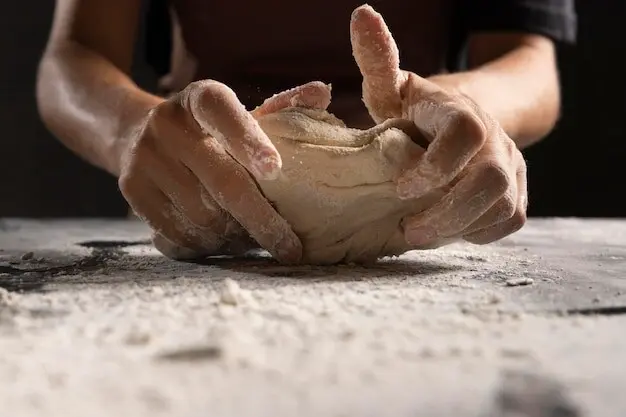
Patience is not romantic fog; it is measurable practice: sharpening stones graded by river silt, looms dressed slowly to avoid broken selvedges, and clays rested under damp cloth until tension leaves. These choices reduce waste, extend tool life, and produce dignified objects that endure repair after repair.
A drawknife slides cleaner when the bevel’s honest; a loom sings steadier when heddles are counted twice; a gouge behaves when stropped with valley leather. The music of well-kept tools saves wrists, saves wood, and lets details bloom without forcing grain or patience.
Color grows in ditches and terraces: weld, walnut, madder, alder, woad, onion skins, and seaside silt. Dyers test water hardness from glacier melt to brackish wells, shifting mordants carefully so scarves hold sunsets and bowls carry shorelines without synthetics that shout louder than the landscape.

Makers Along the Corridor

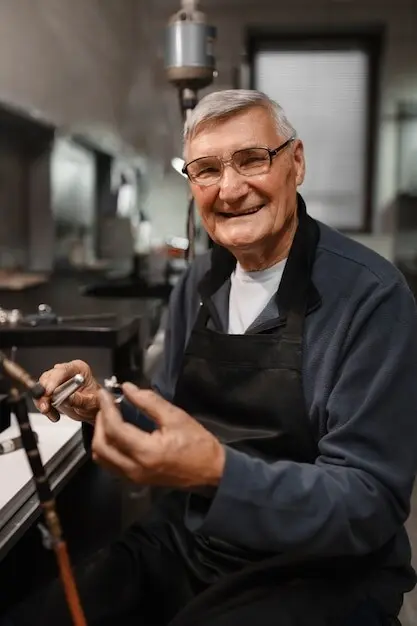
Names carry valleys and tides. Meeting artisans reveals why objects feel anchored: family benches carved to match a mountain’s silhouette; bowls thrown listening to crosswinds; shawls woven with river rhythms. Their biographies braid apprenticeship, migration, and stubborn delight in usefulness over display-case perfection.

Sustainability Rooted in Place

Slowness is ecological accounting practiced daily: gathering within walking distance, swapping offcuts at cafés, and preferring foot, rail, or shared vans along valleys. Waste becomes fuel, dye, stuffing, or kindling. The result is livelihoods stitched to landscapes that stay generous for the next generation’s stubborn experiments.

Sourcing within Walking Distance

Woodlots and hedgerows offer handles, spindles, ribs, and dyes if you learn their seasons. Makers mark trees for future grandchildren and harvest stormfall first. Ingredients move by boot or bicycle, letting price reflect skill instead of fuel, and letting objects smell faintly of mossy shortcuts.

Repair as Everyday Pride

Needle, patch, and peg are not nostalgia; they are scheduling tools. Repairs postpone purchases, teach anatomy of objects, and keep stories intact. A re-riveted pack carries last summer’s thunder still, while a darned heel remembers a mountain hut radio cracking jokes through evening snow.

Packaging that Returns to Soil

Boxes become smoking chips for trout; shavings cushion jars; hemp twine outruns tape. When packaging must travel far, makers choose papers sized to rail stations and inks that compost. Unboxing smells like a walk, not a warehouse, and the bin stays nearly empty.

Design Language from Snowlines to Tidepools
Patterns and palettes grow from weather. Frost etches zigzags found again in herringbone; wavelets teach scallops along rims; larch resin suggests honeyed varnish; limestone dust mutes blues into thoughtful greys. The region speaks through utility, allowing ornament only where fingertips naturally pause or balance.

Travel Itineraries and At-Home Practice
We invite you to move at a human pace: ride rails that stitch valleys, hike between studios, pause where coffee cools while glazes settle. Or stay home, try simple techniques, and share progress so these routes continue as conversations, collaborations, and gentle apprenticeships.
Laxikentodavoravo
Privacy Overview

This website uses cookies so that we can provide you with the best user experience possible. Cookie information is stored in your browser and performs functions such as recognising you when you return to our website and helping our team to understand which sections of the website you find most interesting and useful.