
Salt and Sapwood: A Coastal–Mountain Craft Conversation
Today we compare Adriatic boatbuilding with Alpine woodcarving traditions, tracing how salty horizons and snowlined ridges shape materials, joinery, tools, and aesthetics. Expect lively history, practical detail, and human stories from harbors and valleys. Share your experiences, ask questions, and subscribe to follow this ongoing craft conversation bridging waves, wind, and whispering wood.
Where Wood Meets Water and Sky
Geography writes the first instructions. Along the Adriatic, humidity, salt spray, and relentless sun ask for resinous, tough planks; in the Alps, thin air, winter dryness, and steady cold favor fine-grained blocks. Understanding climate means anticipating swelling, shrinkage, and stresses before chisels bite or caulking warms.
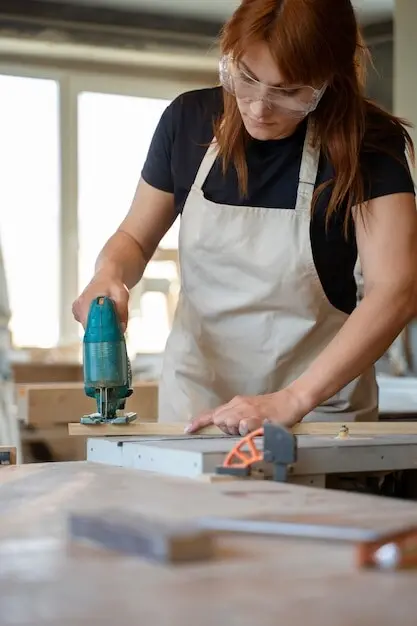
Coastal timbers under salt and sun
Boatbuilders often choose larch, oak, or elm for frames and planking, balancing resilience, workability, and local availability. Salinity discourages pests yet demands pitch-rich wood and diligent sealing. Ask any Dalmatian yard: a board’s orientation to grain and sea can spare years of exhausting maintenance.
High-altitude woods shaped by cold and silence
Alpine carvers reach for limewood, stone pine, or maple, species that carve cleanly, hold crisp detail, and breathe comfortably indoors. Winter-cut logs, carefully seasoned, reduce checks and surprises. The scent of cembra pine softens a studio’s mood, guiding slow, attentive hands through long evenings.
Seasoning, moisture, and movement
Boats require planks that will swell tight at launch yet not twist impatiently on land; sculptures demand blocks that move quietly for decades on dry walls. Airflow, stickers, and patient calendars beat kilns here, because predictable movement protects both beauty and structure across seasons.
Shaping Purpose: Hulls, Figures, and the Logic of Form
Function leads the dance. A hull must lift, slice, and carry with minimal resistance; a figure or relief must command light, meaning, and emotion. Curvature, thickness, and grain direction express different obligations, yet both crafts seek stability, clarity, and grace in every plane.
Hydrodynamics written in planking lines
Clinker laps shed chop and add stiffness without heavy frames, while carvel seams reward smoothness if caulking and fastenings stay honest. Designers watch prismatic coefficient and rocker the way carvers watch silhouette, because small adjustments transform effort, comfort, and safety in long, changeable days.
Narratives carved into gesture and shadow
Alpine figures breathe through gesture, drapery, and planes that harvest light. A saint’s robe can echo avalanche lines, while a shepherd’s hand recalls wind-bent larches. The goal is legibility across rooms, much like a boat’s sheerline reads across a bay at dawn.
Tools in Motion: From Adze Blows to Whispering Gouges
Each stroke leaves philosophy behind. The adze negotiates bulk quickly, caulking irons and reefing hooks promise dryness, and steaming boxes bend stubborn sapwood. Meanwhile knives, gouges, and veiners pursue clarity of line. Sharpening, stance, and rhythm unify both shops, turning muscle memory into dependable artistry.
Lineages, Learning, and the Pulse of Community
Craft survives through people who insist on teaching. Adriatic yards pass jokes, knots, and curses with patterns and scantlings; Alpine shops pass prayers, songs, and patient measuring with bevels and dividers. Festivals, markets, and museums bind these worlds, inviting newcomers to listen, assist, and belong.
Repair, Preservation, and Responsible Innovation
Tradition breathes when it adapts. Epoxies, laminations, and stainless can save labor or invite complacency; CNC roughing can speed blocks without muffling sensitivity. Sustainable forestry, sea-level shifts, and beetle outbreaks pressure decisions. Real stewardship weighs longevity, repairability, and joy, not simply novelty or nostalgic purity.
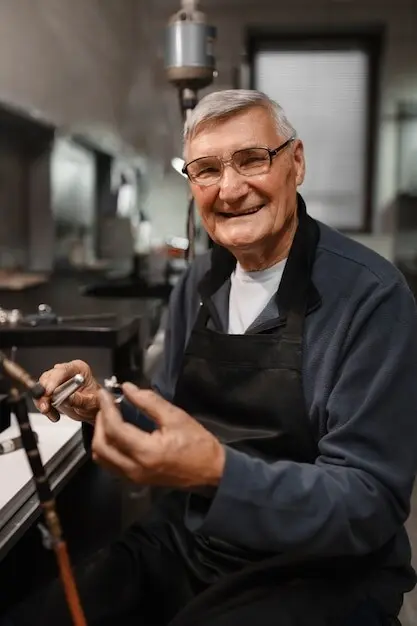
Aesthetics, Senses, and the Stories Surfaces Tell
Beyond utility, these crafts court feeling. A clean sheerline promises calm; a tender expression invites quiet. Smell of tar, resin, and wax carries memory. With patience, surfaces learn to speak softly, guiding owners kindly. Share how you read them, and add your voice below to keep connections alive.



All Rights Reserved.